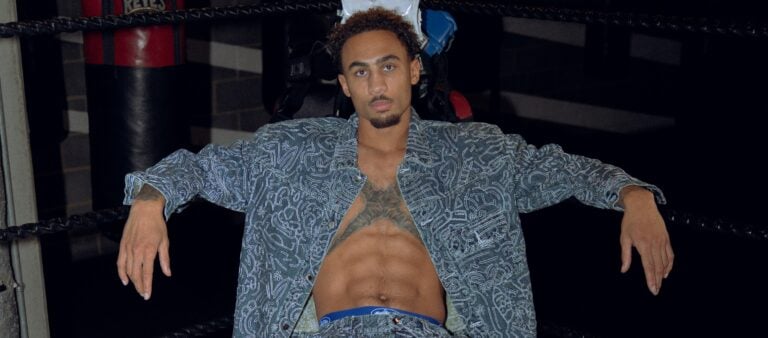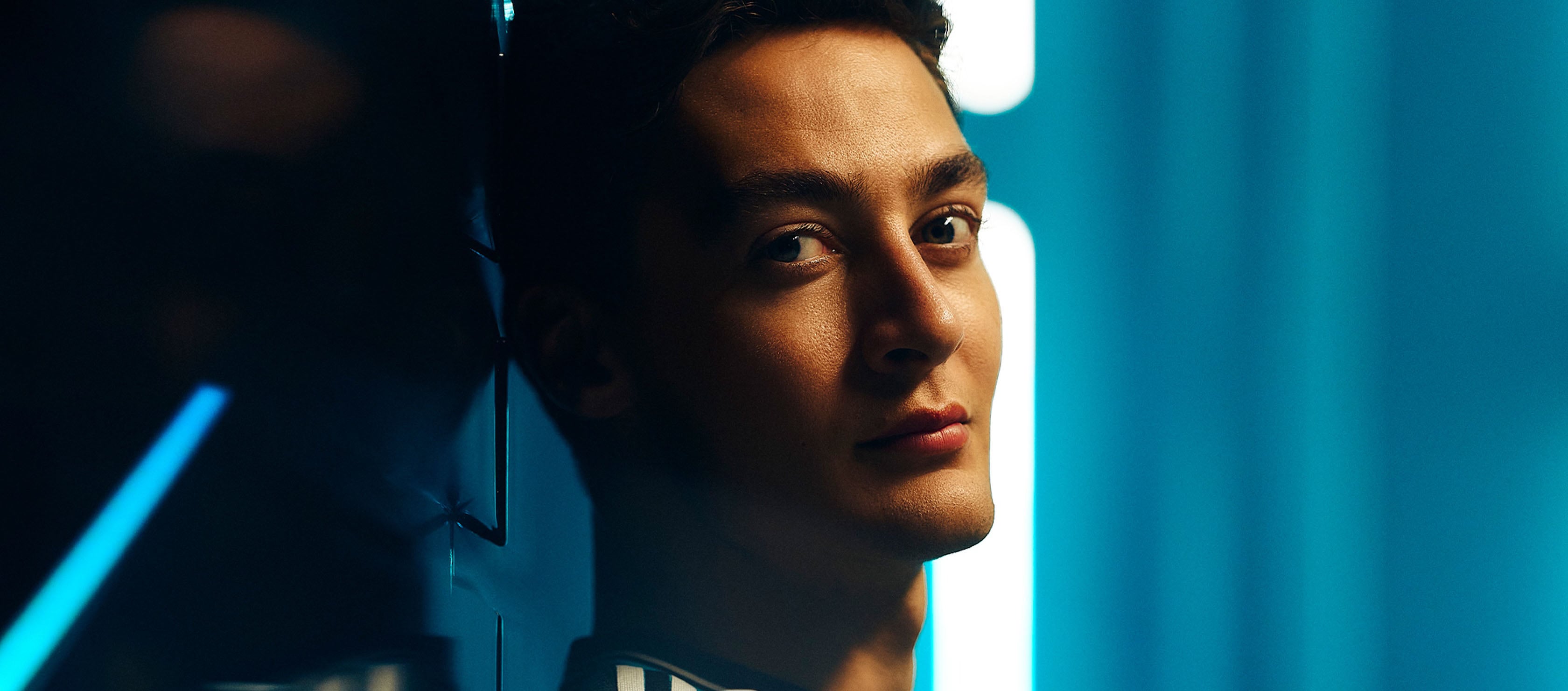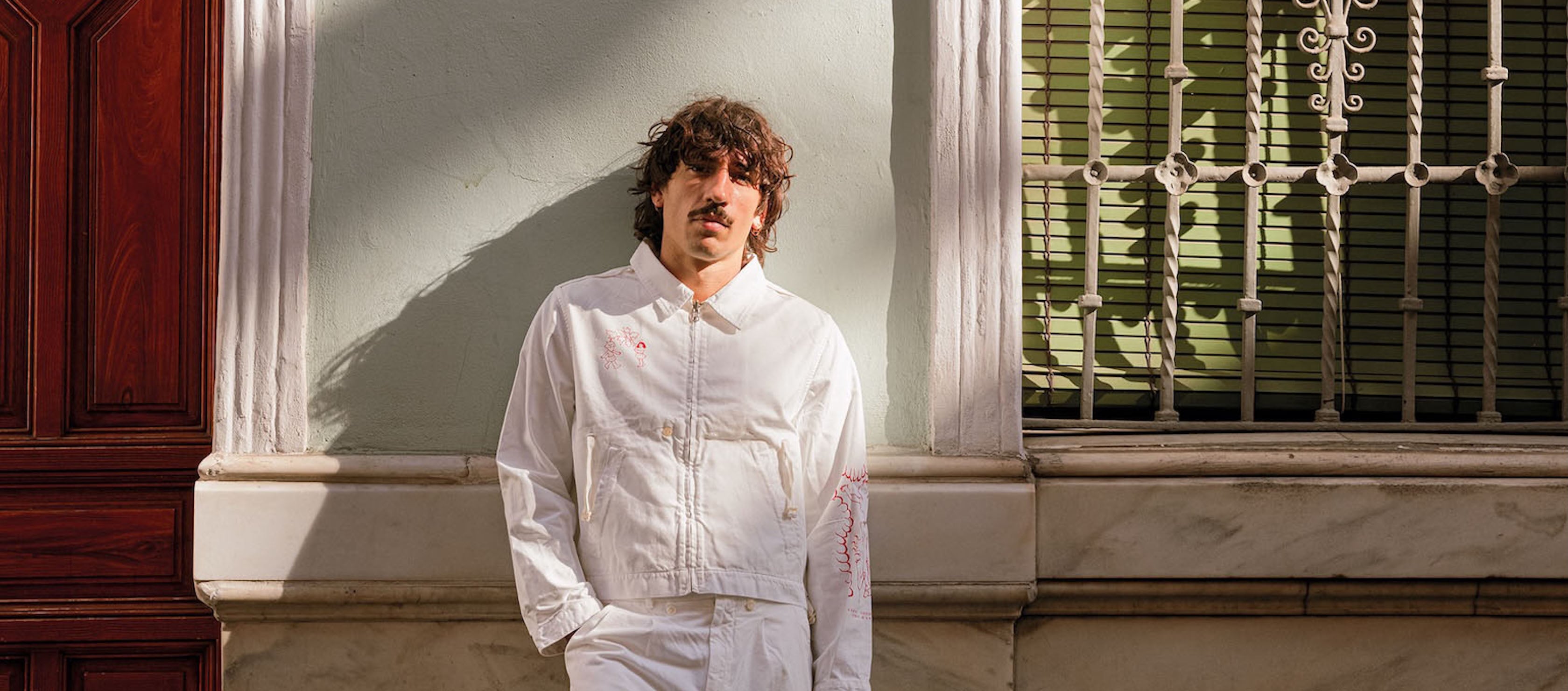


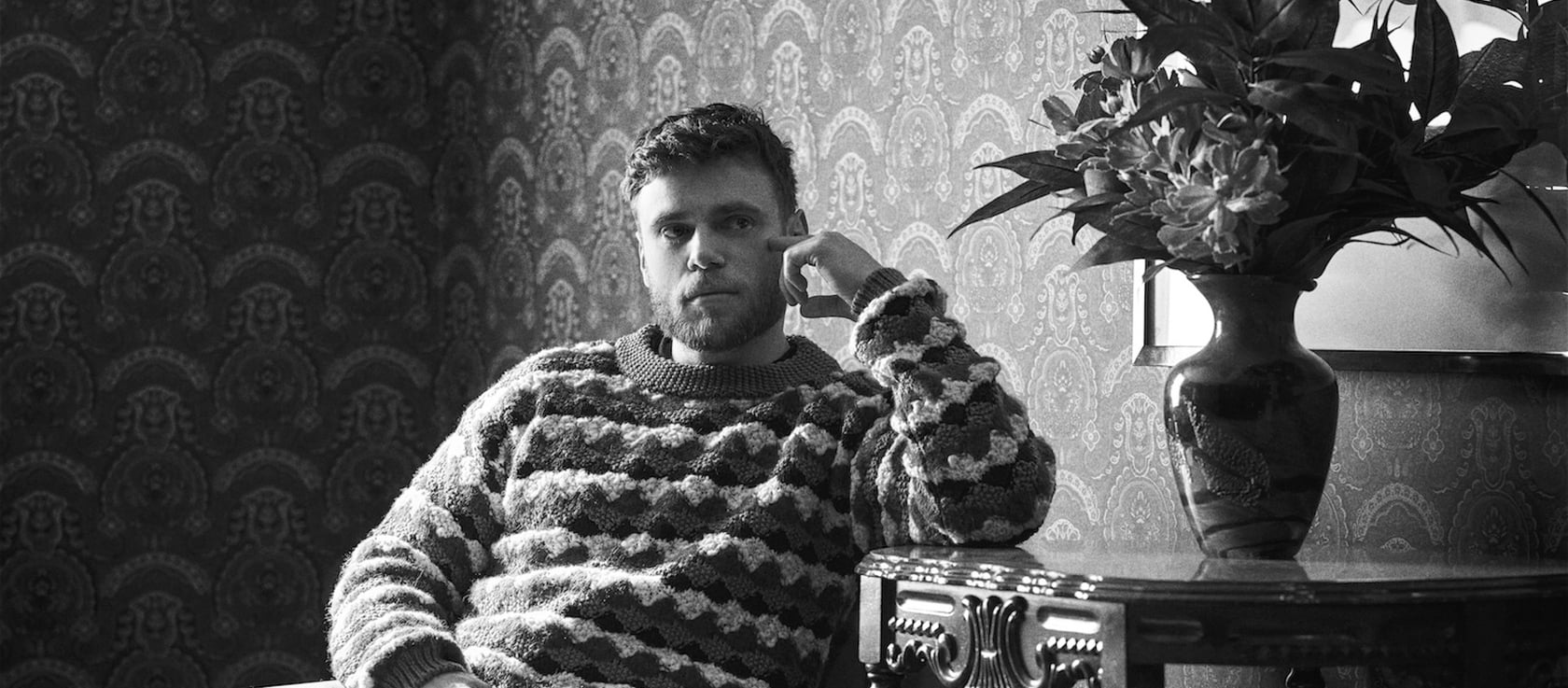
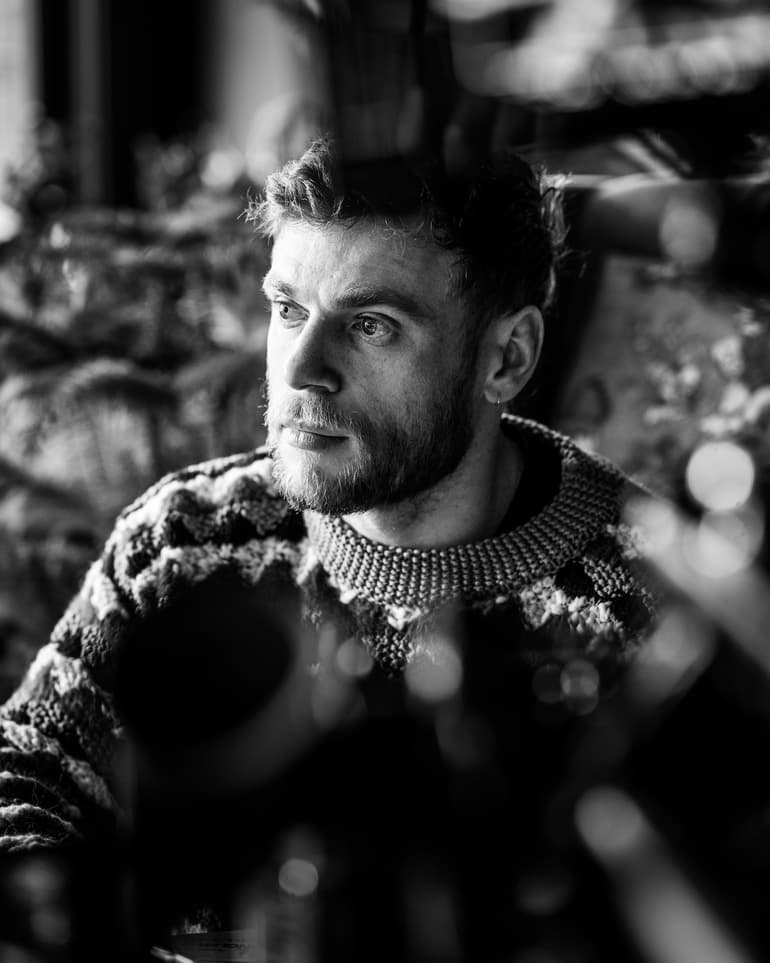
The 34-year-old Winter Olympic Games icon talks about competing for Team GB at this year’s event, coming out in the public eye, and gives Man About Town a lesson in skiing.
Gus Kenworthy is one of the most recognisable faces at the Milano Cortina Winter Olympic Games, with a story straight out of an Oscar-winning sports biopic. The freestyle skier has cultural pull like few others – he’s acted, has featured in the biggest magazines, and has been a constant LGBTQ+ advocate, with a narrative that feels destined to be remembered for years to come.
Kenworthy first found fame and recognition at the 2014 Sochi Games, winning silver for Team USA and becoming an internet sensation for adopting a family of dogs. After coming out publicly in the aftermath, he’s gone on to have weighty success across the slopestyle and half-pipe skiing categories for the USA team, a 4x Olympian.
But a few years back, he switched to Team GB, to honour his British mother, whom he is competing for today (Friday 20th February) in the halfpipe at this year’s event. As the 34-year-old approaches the swansong of his career on the slopes and looks ahead to the next stage of his journey, he’s hoping for one last hurrah. Ahead of him skiing for a chance at glory, Kenworthy spoke to Man About Town about finding his love for winter sports, switching geographical allegiances, and his favourite Olympic memories.
Hey Gus! We’re so excited to see you compete at the Milano Cortina Winter Olympic Games. How are you feeling?
I’m feeling pretty good, thanks! My body definitely gets a lot more sore than it used to, but I’m making do. The last six months have been a pretty intense grind – I’ve been on the road almost nonstop since August with various training camps and all of my qualifying events, and it feels good to be here now and know that I made it happen.
How did you first get into winter sports? What was the point when you knew it was what you wanted to pursue as a career?
I started skiing when I was three because my family moved to Colorado. We learned together, my older brothers were six and 12, and my mum was 40. Then, when I was a little older, a friend group formed that was a little crew of skiier kids who loved hanging out in the terrain park and watching ski movies when we weren’t on the hill, but even then, it wasn’t necessarily the thing I wanted to do. I sometimes said I wanted to be a professional skier and I dreamed of competing at the X Games but I said the same thing about hockey which I played at the time, acting because I was involved in the local repertoire theatre and had a future mapped out where I was a cartoonist because I loved to draw. When I was 14 my best friend Hoot’s mom took us to the X Games in Aspen to watch our favorite pro skiers. It was a pretty pivotal moment for me and we vowed that we would compete there too one day. A few months later the two of us and another friend were involved in an accident on the ski mountain and Hoot was killed. At that point I considered quitting altogether because I couldn’t bear to go back on the mountain past the scene of the accident. I took a while off but then, after some encouragement from my mum and his, I decided that not only was I going to keep skiing but I was going to focus and ski harder than ever and make it to the X Games as we dreamed of. Ski slopestyle and halfpipe weren’t even included in the Olympics at that time, so that wasn’t really a thought yet. Once it was announced that the disciplines would be included in 2014, my focus shifted to wanting to be a part of that inaugural ski slopestyle competition.
You’ve competed in slopestyle, half pipe and freestyle skiing. To us amateurs, could you please explain the differences?
Both slopestyle and half pipe are disciplines under the freestyle banner. Slopestyle is a combination of jumps and rails, “features” as they’re called, that are scattered in sets from the top of a hill to the bottom, and you choose which ones you want to hit and what tricks you want to do to come up with a unique and technical run. Halfpipe is a halfpipe, so you go from side to side and try to air out as big as you can on each hit and perform tricks as you go down.
What’s been the craziest, most memorable experience you’ve had at a Winter Olympic Games?
Winning silver in 2014 was definitely a moment I’ll never forget. In 2018, when I went back to my second Games, Adam Rippon and I became the first two openly gay men to compete in a Winter Olympics for the US. We had been following one another online and cheering each other on from afar, but hadn’t actually met until the Opening Ceremony, and I’ll never forget meeting him in the athlete staging area and walking out into the arena side by side. I’m very proud of that moment too.
Having achieved great success competing for the American National team, you’ve recently decided to switch allegiances to the British squad. Talk us through the decision?
I thought 2022 would be my last Olympics, and so I wanted to ski for Great Britain to honour my mum. For years, she had been at the bottom of countless slopestyle courses and half pipes, cheering me on, waving the American flag and chanting USA even though it’s not her country. I wanted to, for once, hold up her flag.
As someone who has been an openly gay competitor in sport since you were 24, what is the importance of remaining a role model for your sport, and what challenges do you still have to face?
Gay men have long been underrepresented in sport, and so when I came out, I kind of became a role model without really asking to be. I wanted to come out publicly, in part, because I knew there must be other young guys out there who were struggling in the closet in the way that I had been, and I thought maybe my story could reach them and help them. I can proudly say that I know that it has. But suddenly I was thrust into a position where I was expected to be a mouthpiece for the queer community, and I was ill-equipped to. I was newly out myself and for so long avoided anything queer because I was afraid of seeing myself and having to confront that reflection. So I didn’t know all the ins and outs of our community’s history and didn’t have an understanding of the hardships our community faces. I think that was a challenge for sure, having to step into those shoes. Our community eats our own, though, and that’s been another challenge. I feel like I’ve done my best to show up as my authentic self, to educate myself and lead by example, but no matter how hard you try, you’ll never please everybody, and as they say, the critics are often the loudest voices.
You’ve had an illustrious and highly impressive career. At this stage, how do you reflect on it? What have been the highs, the lows?
I’m just really grateful for the career I’ve been able to have and for the longevity I’ve had. It was 20 years ago that Hoot died, and I decided to pursue this dream. It feels surreal that I managed to make it to the top and that I’ve been able to stay there. I’m still going, though, so I’m trying not to look back too much and instead keep looking forward.
What’s your advice to any budding sportspeople?
Go for it! Have fun! Everybody started exactly where you are now, and if you don’t try, you’ll never know just how great you could have been. So bet on yourself, believe in yourself and dream big. Anything is possible!
What does the future look like for you?
I’m gonna keep skiing for as long as I can until I stop enjoying myself or my body can’t keep up. Other than that, I moved to NYC last March, and I’ve been on the road a lot since then, so I’m excited to have some time at home with my partner, Andrew, and our dog, Birdie.
Photography
Mario IozziCourtesy of
Moncler