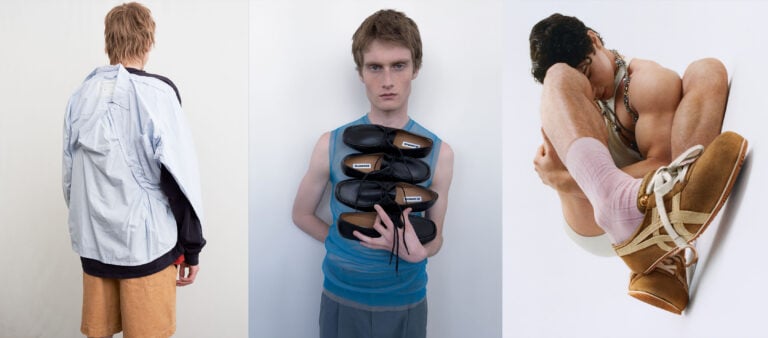


“The clothes might look normal, but for the person who wears them, they can become something very special,” ssstein’s Founder and Designer Kiichiro Asakawa tells Man About Town.
My Japanese isn’t the best. Yes, both my parents are Japanese, but I’ve lived my whole life abroad, so when it finally came time to interview ssstein’s Founder and Designer Kiichiro Asakawa in my mother tongue, it’s safe to say that I was pretty nervous. So much so that I had to have an hour-long phone call with my mother before the interview, just to correctly translate my questions and make sure I wasn’t saying anything too informally.
All those nerves quickly settled when the designer joined the call from his Paris Fashion Week showroom, his quietly comforting demeanour instantly cutting through the 470km distance between us. He was front and centre with his luscious, wavy locks and a rather studious-looking pair of round glasses as clients perused the racks in the background. And yes, the uniform allegations are true – he was indeed sporting his trusty oversized black blazer from the brand with a tonal black t-shirt underneath.
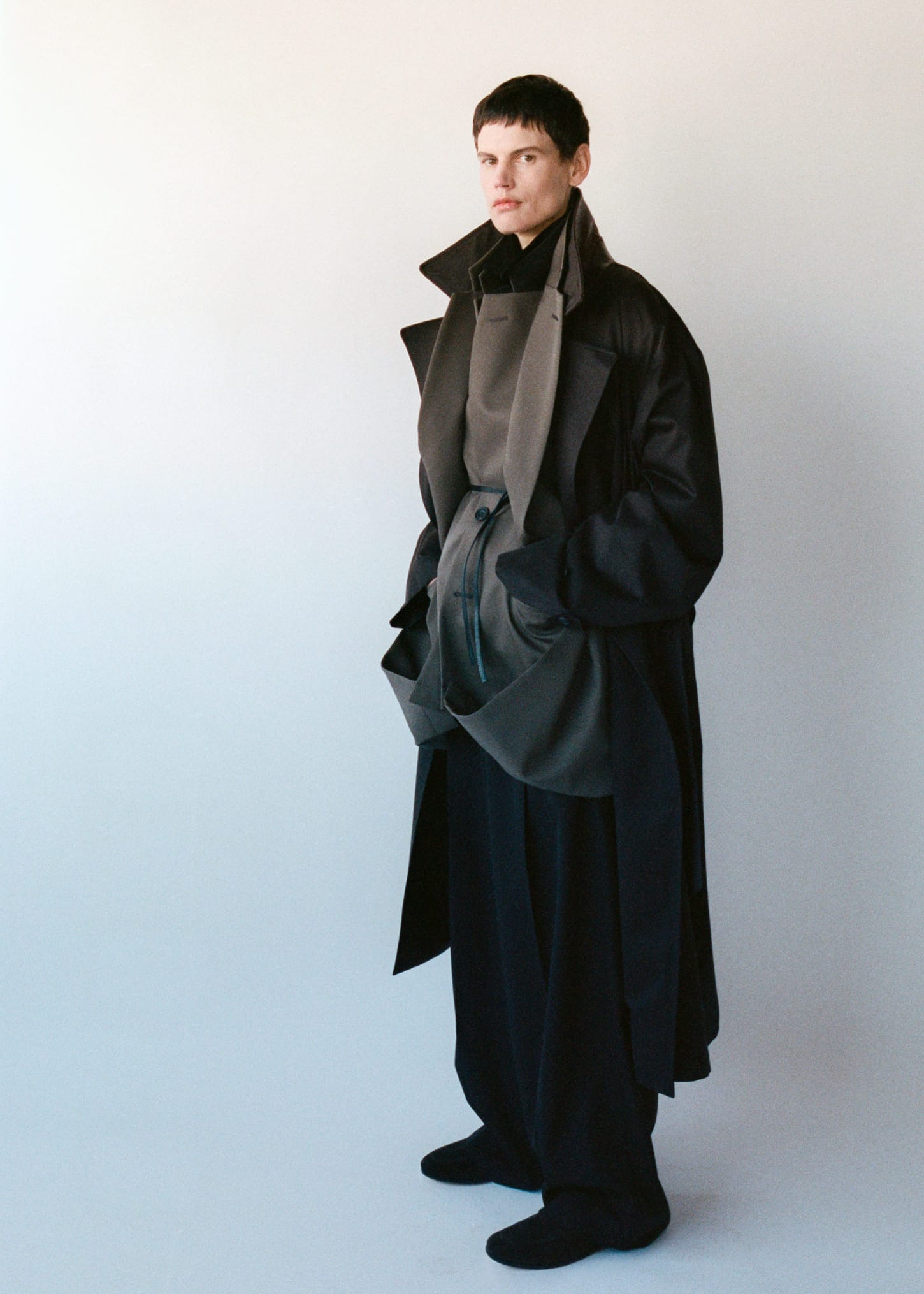
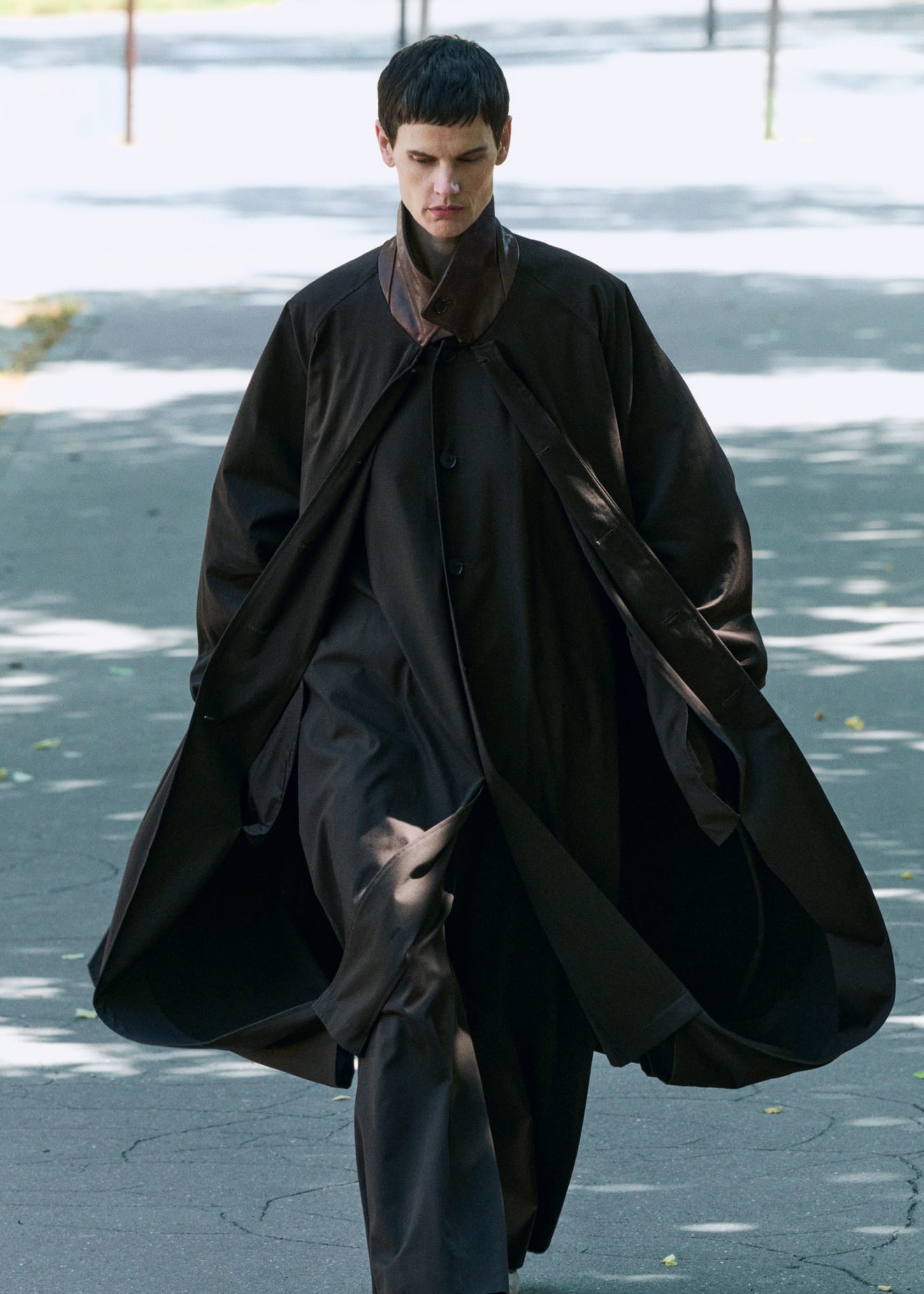
It goes without saying that ssstein makes great clothes, very wearable ones at that. They’re minimalistic, elegantly roomy and clad with lux fabrics that sway with effortless harmony and rhythm. “The clothes may look slightly relaxed in size, but I’m not trying to make oversized clothing. I focus on how the silhouette falls vertically and how the extra fabric creates a beautiful drape,” said Asakawa. “Sometimes, I adjust patterns and fabrics to make that drape happen.”
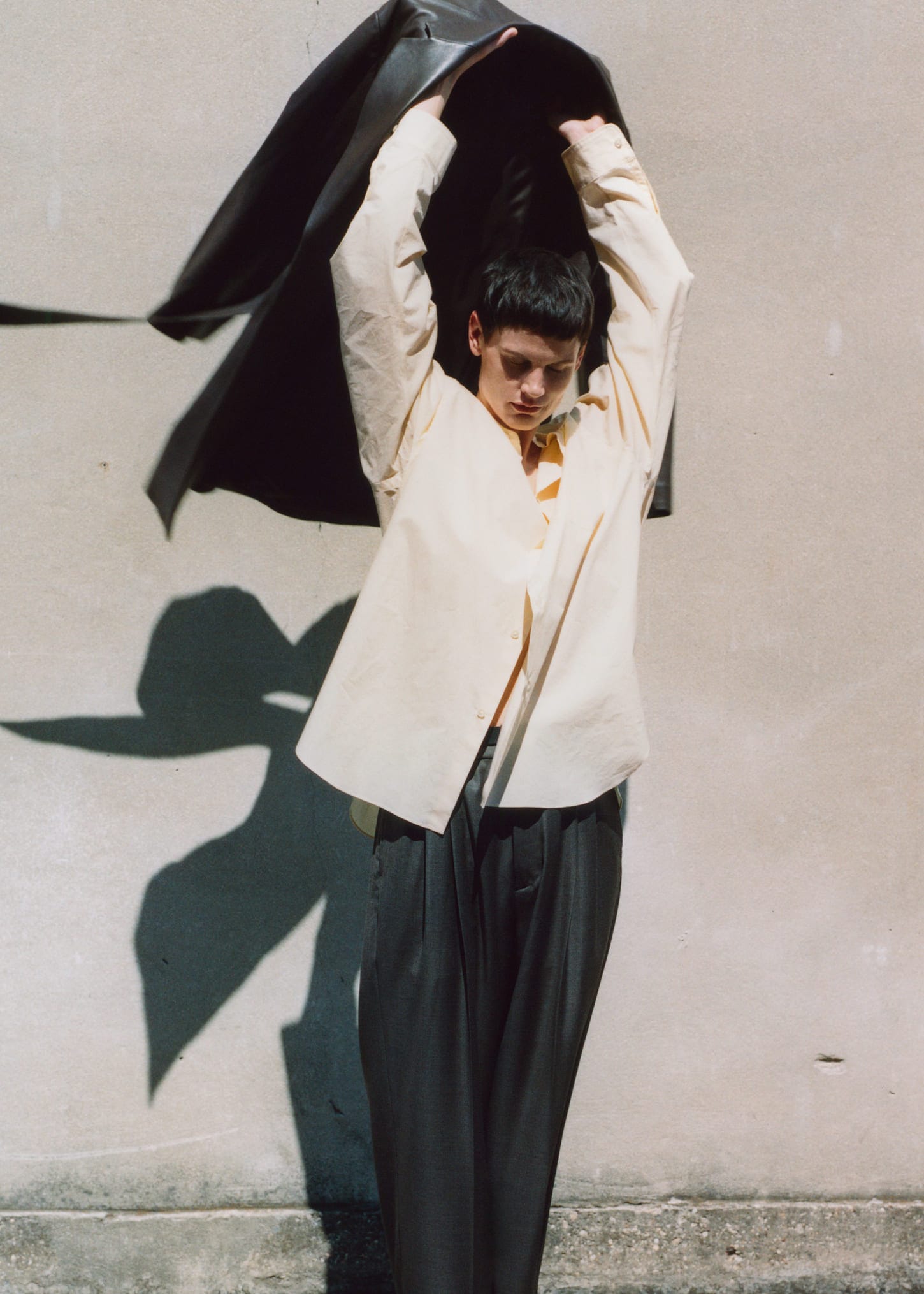
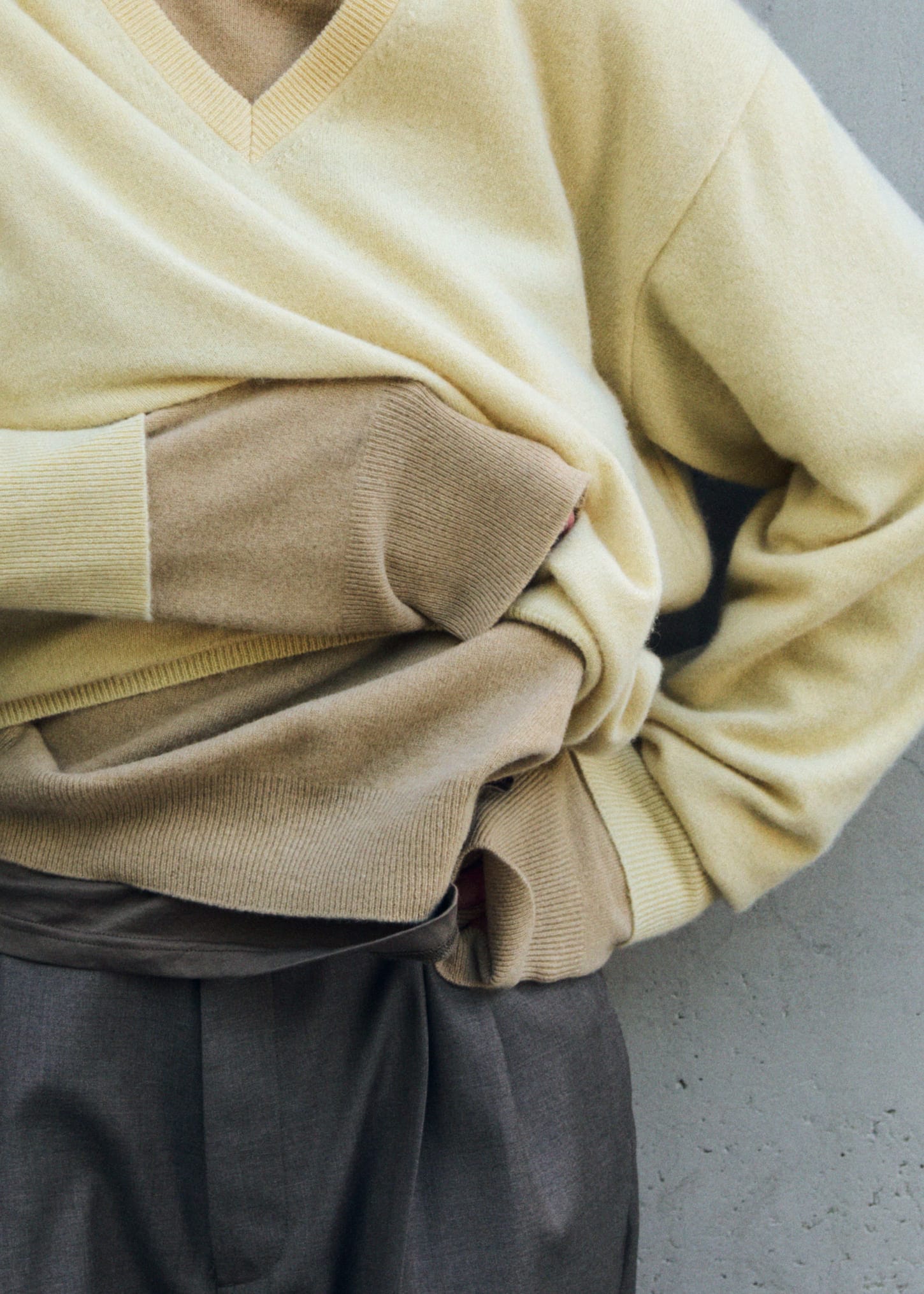
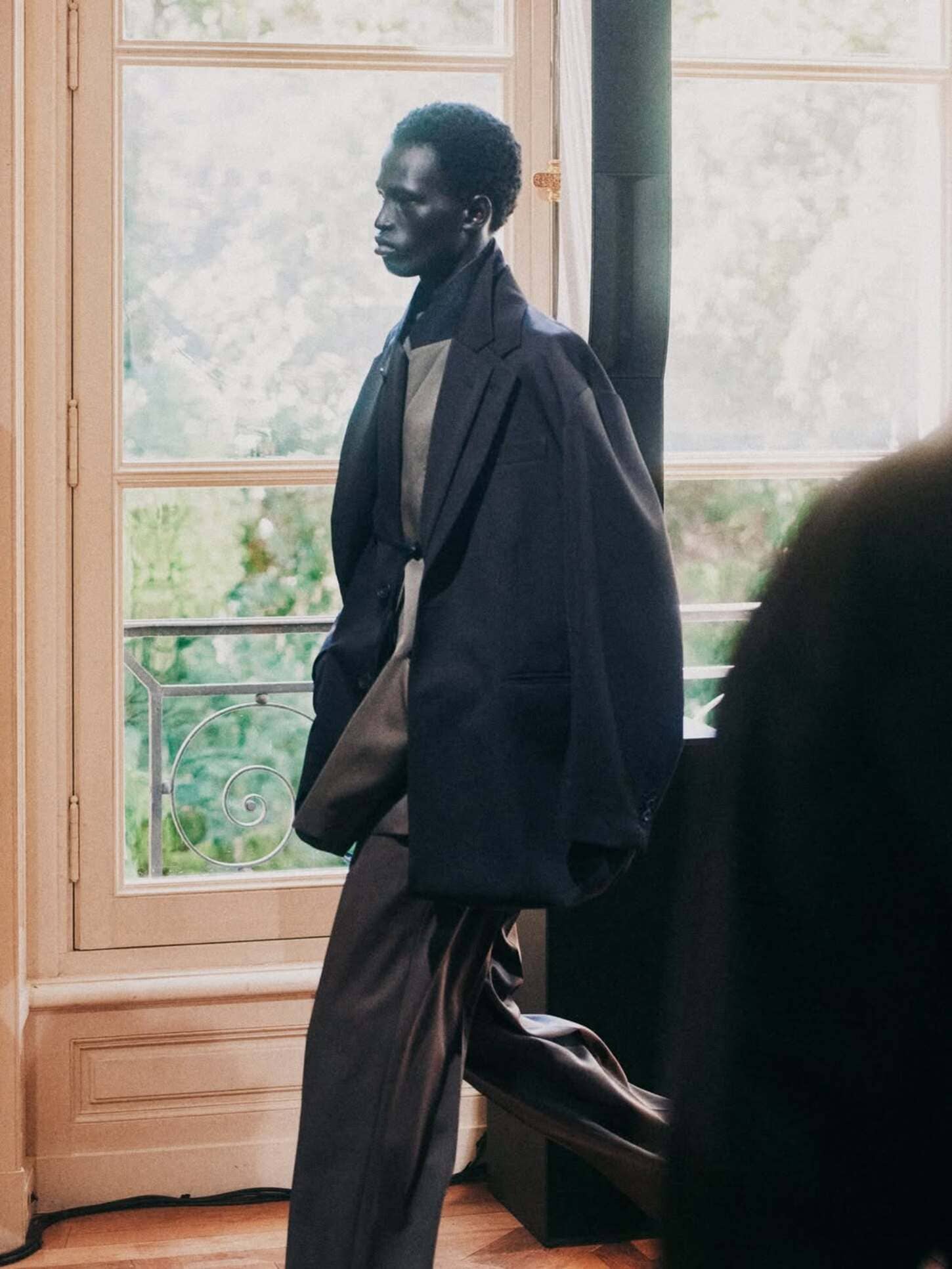
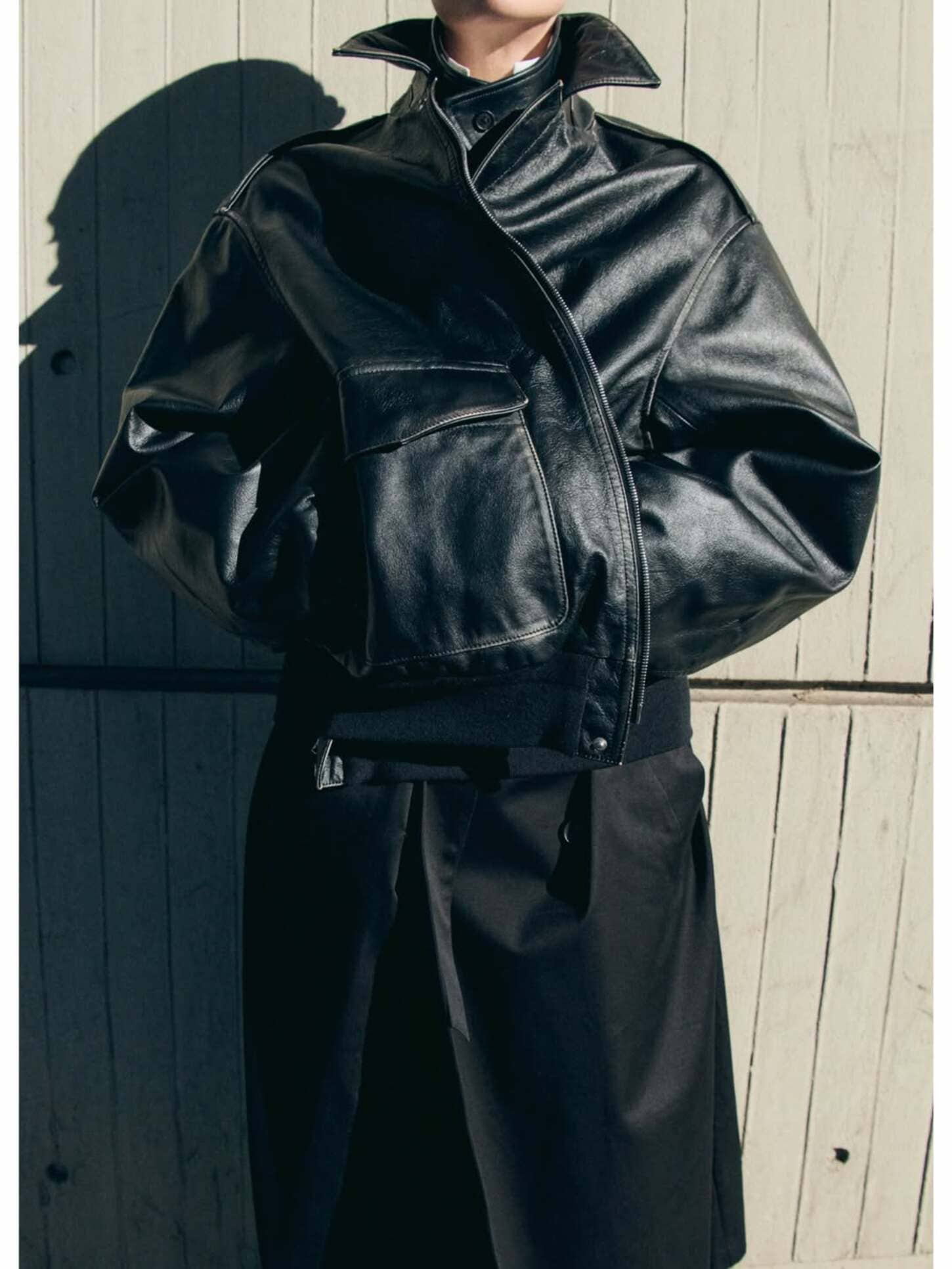
The way ssstein came about was somewhat of an accident. After working his way up at a boutique for six years, where he did some buying and helped with the in-store label, Asakawa decided to open a shop of his own called Carol in 2016. Conceptualised as a multi-brand boutique that also carries vintage clothing, it transformed into the beginning of ssstein. The self-taught designer would dismantle and remake clothes from his vintage stock and, from that point on, he was hooked.
This led him to begin rolling out collections from Autumn/Winter 2017 under the name Stein before holding showrooms from Spring/Summer 2018, adding the emblematic triple ‘s’ to the brand name in 2024 to avoid any trademark issues. “Stein is a common German surname element, like ‘Einstein.’ When something becomes a surname, it becomes something important,” says Asakawa. “I like that feeling. The clothes might look normal, but for the person who wears them, they can become something very special. That closeness, that balance — I want to make things like that.”
His latest Autumn/Winter 2026 show echoes those statements, with important, personal moments that inspired the collection. “When I go to watch my kid’s recital or to a nice restaurant with my wife for our wedding anniversary, I dress a little more special than usual. It’s the feeling of looking forward to that, and wanting to wear clothes that feel important to you,” he explains. To Asakawa, it’s about bottling up that feeling of carefully choosing clothing that means something to you for day-to-day occasions, “those small, everyday moments of human warmth.”
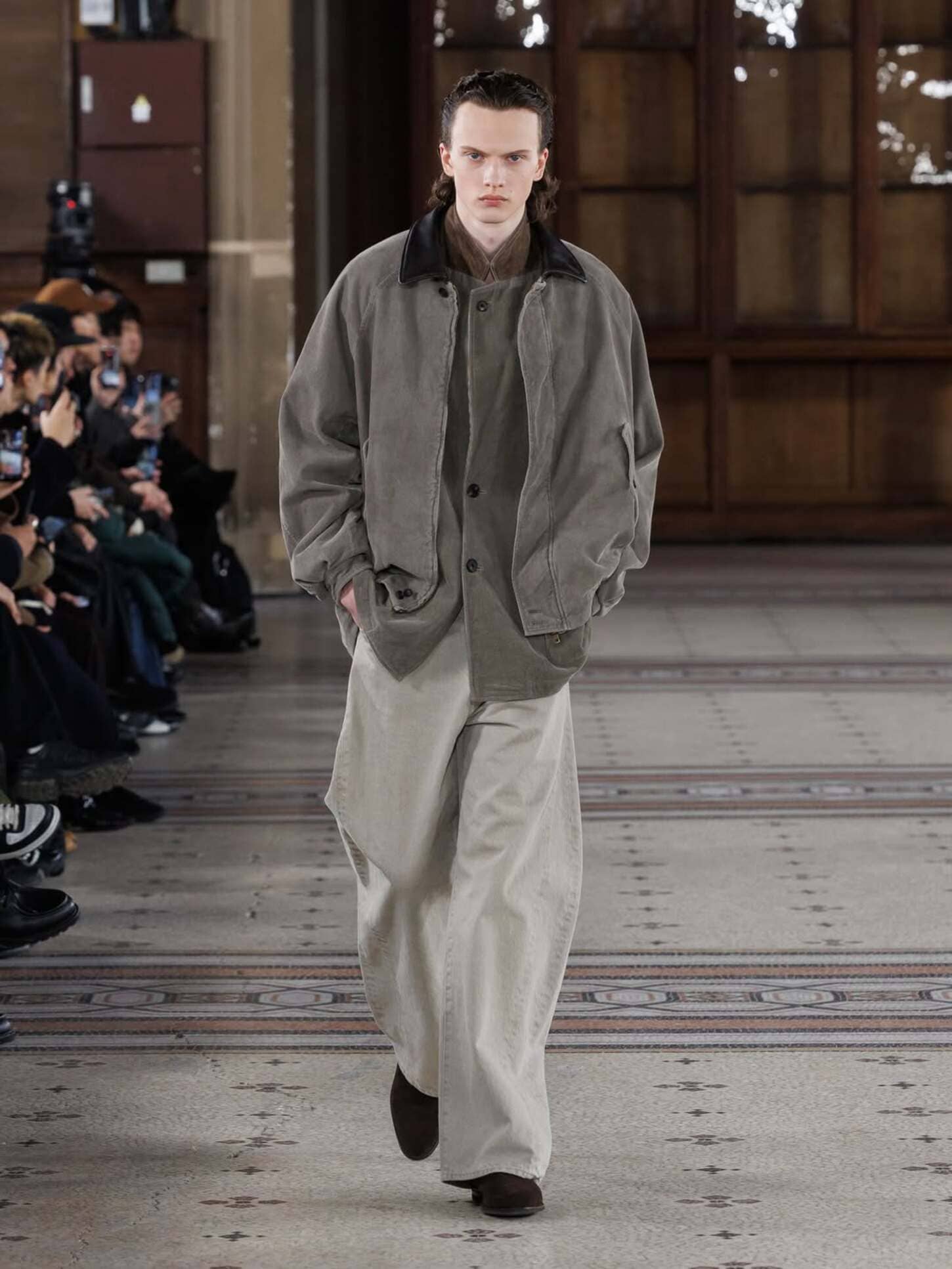
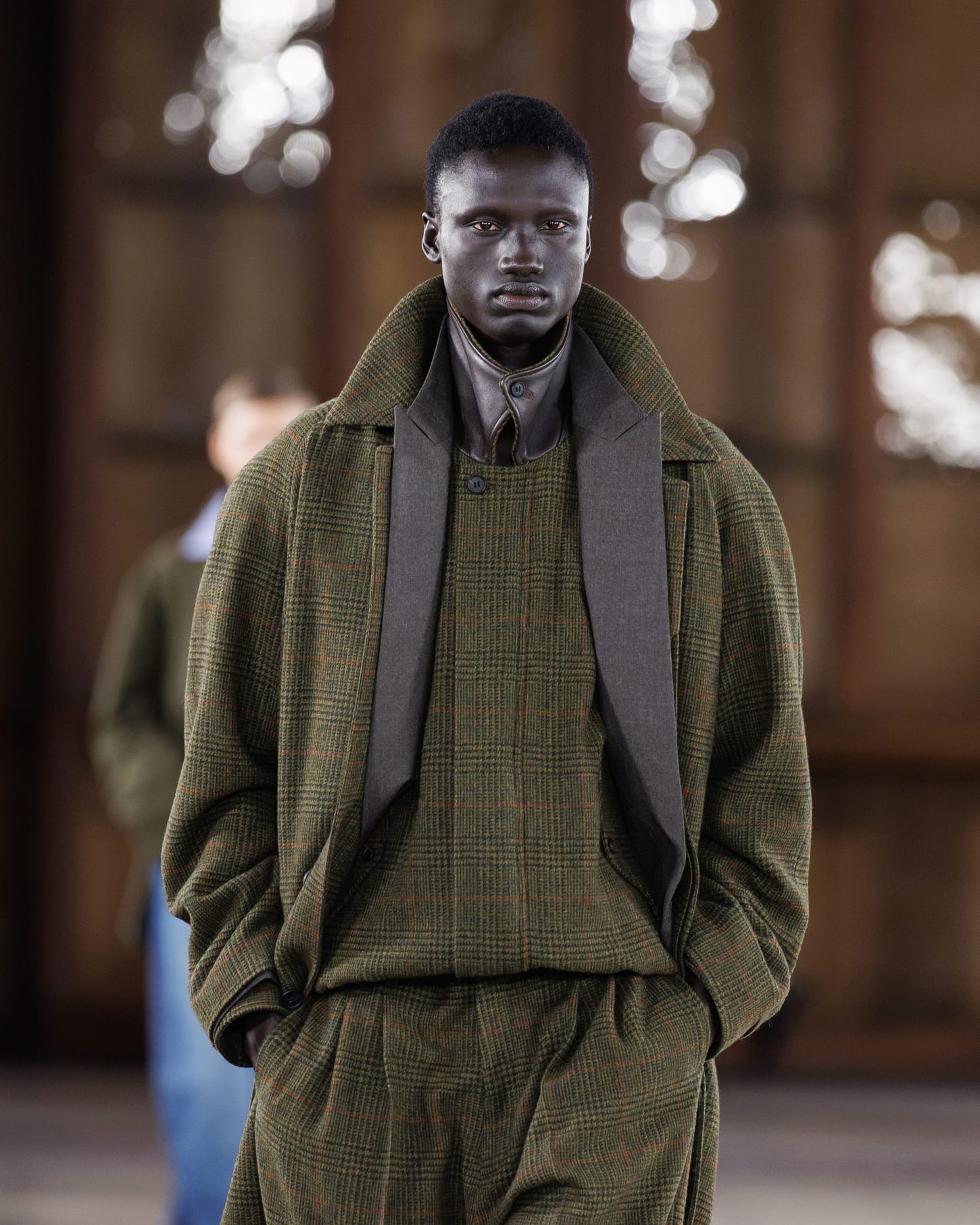
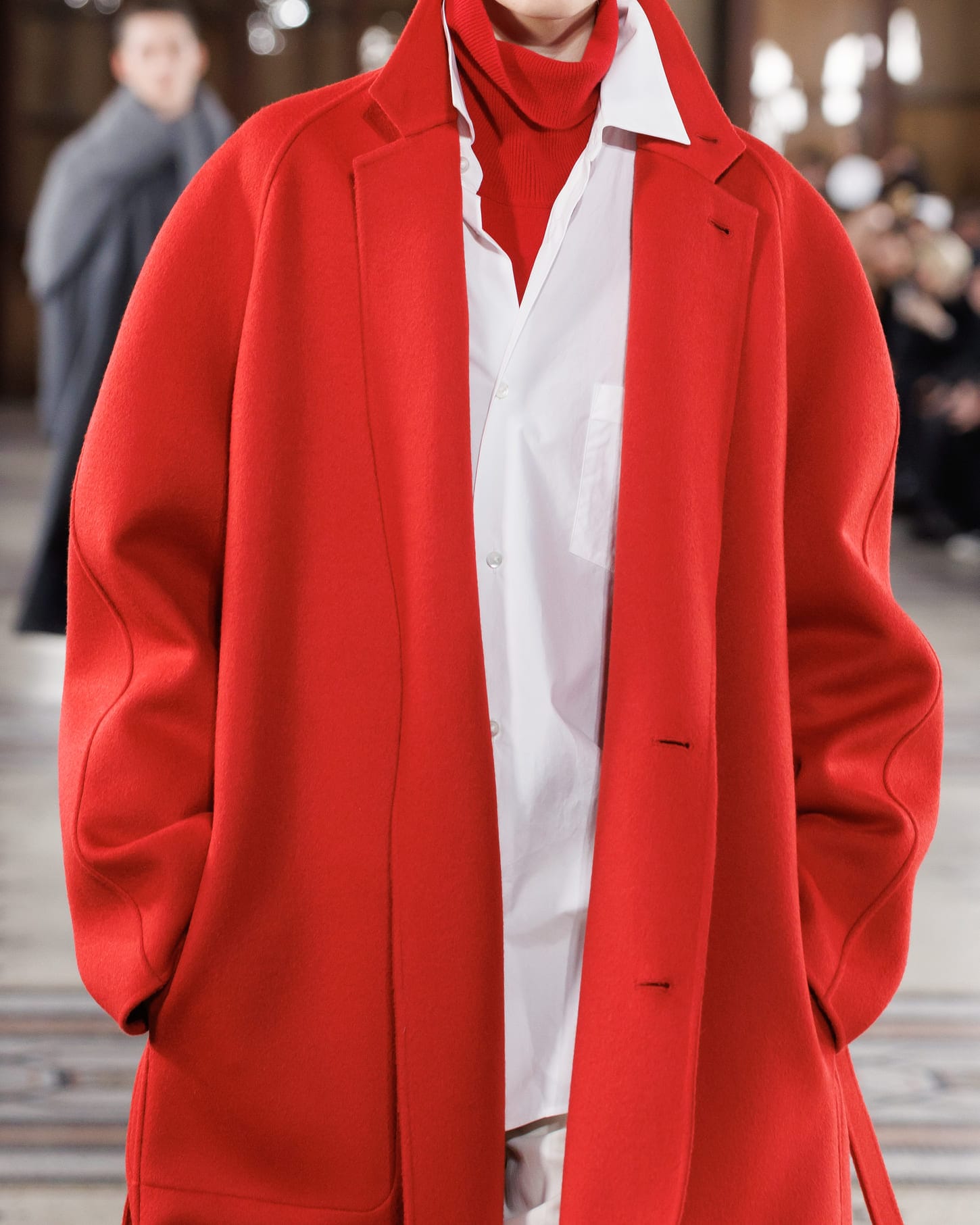
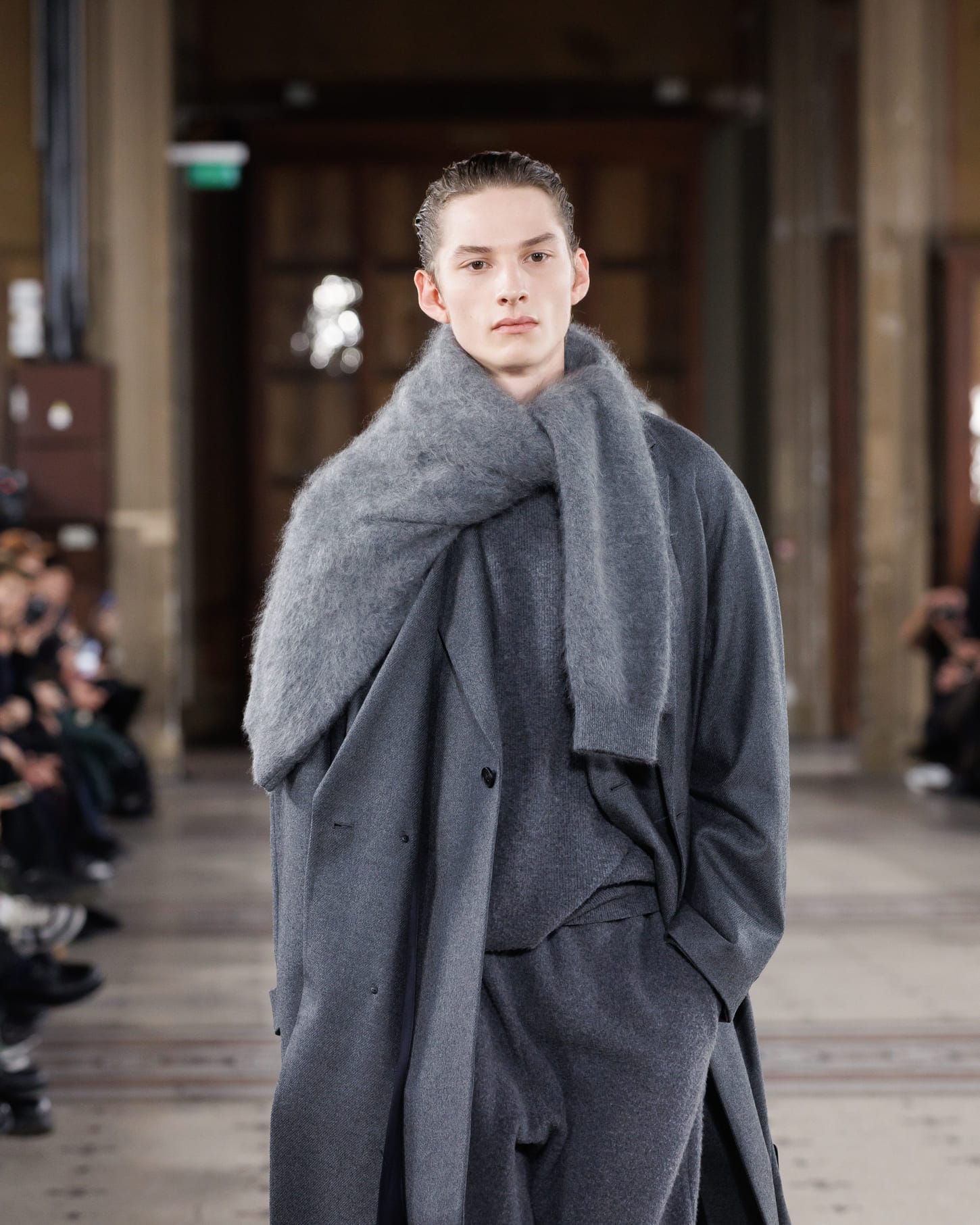
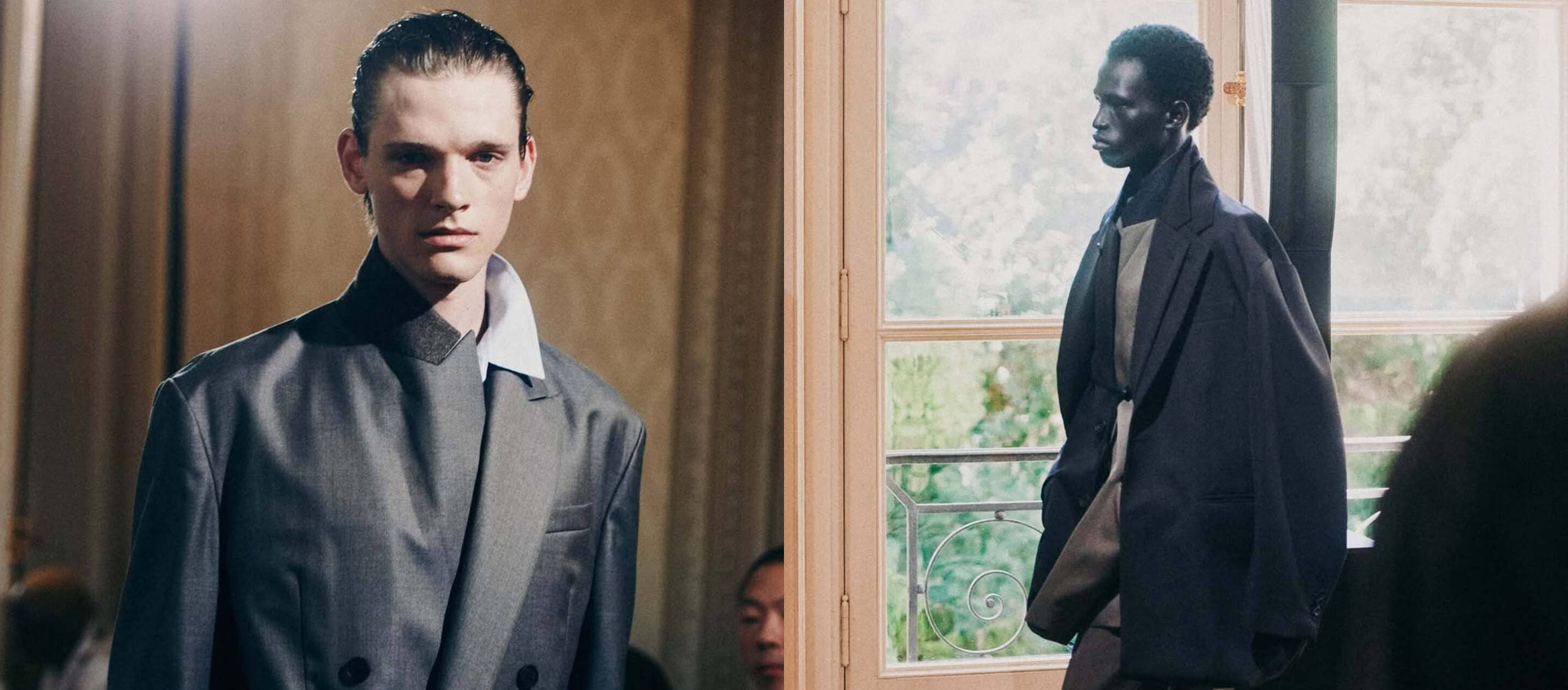
The clothes he showed at Musée des Arts et Métiers in Paris last month are, indeed, special – almost as if each model was dressing up for one of their own big occasions. There’s an effortless flair about the garments, one that clearly took quite a lot of effort to actually execute. Shearling-collared leather jackets, blazers with extended shoulders and sumptuous belted coats are layered atop pale-coloured knits and perfectly-tucked dress shirts. Trousers swish with ease, creating creases that flow with luxury, whilst jeans stay true to Japan’s die-hard denim scene, with a structured feel and fades that whisker like decades of hard labour. They’re looks that are so high in styling XP that stripping away each layer reveals an ensemble that’s just as good as the last.
There’s also a departure from the clinical, almost too-perfect look that’s defined the brand, leaving space for the passage of time that brings character to minimalism. Reading the brand’s “About” section will lead you to a simple phrase that translates to “The space between extremes.” As Asakawa explains, “I personally really like old things, like vintage and antiques and, at the same time, I also think modern and new things are beautiful. I like both extremes, so it’s more about understanding the good of both sides and thinking that, this time, my expression is somewhere around here – that way of using words felt like the brand.” The charm is in this grey area, where items like ssstein’s own interpretation of a weathered Carhartt Detroit jacket (elevated with a leather collar, of course) can be shown alongside a two-tone tailoring look without looking out of place.
As a bit of a vintage enthusiast, this makes sense for the Japanese designer. From ‘70s American vintage to European, postmodern styles, he’s collected it all. And once he cited Martin Margiela at Hérmes, Phoebe Philo at Celine and Helmut Lang, it makes even more sense. Their outside-of-the-box approach to design is what fueled the anarchy of ‘90s high fashion that he’s so fond of, and one that aligns with Asakawa’s way of working. “I’m not really the type to make a large mood board with photos. Instead, I divide a piece of paper into eight sections and write items or atmospheres I’m interested in. I line them up and connect them.”
It’s easy to obsess over clothes that make a statement, but it’s even easier when you’re wearing them every day. Asakawa makes those very clothes, ones that you build a rapport with after each wear and become more special to you over time. You only get that when you truly care about your craft as much as he does, because for Asakawa, his only concern is, “To make beautiful things without compromise, and to present and deliver them without compromise.”